
자유게시판
You'll Never Guess This Robotic Hoover's Benefits
페이지 정보

본문
The Rise of the Robots: A Comprehensive Guide to Robotic Hoovers
In today's hectic world, effectiveness and convenience are highly treasured. We seek solutions that simplify our daily regimens and complimentary up our valuable time. One such innovation that has steadily gained appeal in homes around the world is the robotic hoover, typically lovingly described as a "robovac." These ingenious devices are no longer futuristic novelties however rather practical tools changing the way we approach household cleaning. This post looks into the world of robotic hoovers, exploring their performance, advantages, key functions to think about, and what makes them a worthwhile addition to the contemporary home.
Gone are the days of lugging heavy auto vacuum cleaner cleaners and manually navigating every corner of your home. Robotic hoovers use an automatic cleaning option, taking the task of vacuuming off your hands. However how precisely do these compact makers work, and are they genuinely as effective as traditional techniques? Let's unwind the complexities of robotic hoovers and find why they are ending up being an important part of modern-day living.
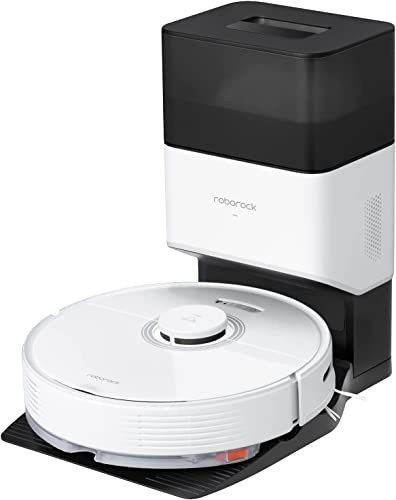
Comprehending the Technology Behind Robotic Hoovers
At their core, robotic hoovers are sophisticated pieces of innovation developed to autonomously navigate and clean your floorings. They achieve this through a mix of sensors, algorithms, and cleaning mechanisms. While particular technologies vary in between models and brand names, some common elements underpin their operation:
Navigation Systems: Robotic hoovers employ numerous navigation systems to map and traverse your home. Older models often use a bump-and-go approach, depending on physical contact with challenges to alter direction. Advanced designs make use of sophisticated technologies like:
- LiDAR (Light Detection and Ranging): This laser-based system develops a detailed map of the environment, permitting for effective path preparation and methodical cleaning patterns.
- Visual SLAM (Simultaneous Localization and Mapping): Using video cameras, these robotics construct a visual map of your home, allowing them to comprehend their location and navigate complicated layouts.
- Infrared Sensors: These sensing units detect barriers and edges, avoiding the robot from falling down stairs or bumping into furnishings too powerfully.
Cleaning Mechanisms: Robotic hoovers are geared up with various cleaning tools to efficiently get dust, debris, and pet hair. These typically consist of:
- Rotating Brushes: These brushes, often positioned beneath the best robot vacuum cleaner, loosen dirt and sweep it into the suction path. Some models have side brushes to reach edges and corners more effectively.
- Suction Power: A motor produces suction to lift debris into the dustbin. Suction power varies considerably in between models and is a crucial aspect in cleaning performance, especially on carpets.
- Filters: Robotic hoovers often include filters, such as HEPA filters, to trap fine dust particles and irritants, contributing to improved air quality in your house.
Smart Features: Modern robotic hoovers are increasingly integrated with smart innovation, enhancing their functionality and user experience. These features can consist of:
- Smartphone App Control: Allows you to begin, stop, schedule, and screen cleaning cycles remotely.
- Voice Control Integration: Compatibility with voice assistants like Alexa or Google Assistant for hands-free operation.
- Zoned Cleaning and No-Go Zones: Ability to define specific areas for cleaning or to leave out particular zones from the robot's course.
- Multi-Floor Mapping: Advanced robots can store maps of several floorings in your house, adapting their cleaning strategy to each level.
- Automatic Docking and Charging: Robotic hoovers immediately go back to their charging dock when the battery is low, guaranteeing they are constantly ready for the next cleaning cycle.
The Benefits of Embracing Robotic Hoover Technology
The appeal of robotic hoovers extends beyond their technological novelty. They use concrete advantages that streamline household tasks and enhance life:
- Time Savings and Convenience: The most considerable benefit is the time freed up from manual vacuuming. Robotic hoovers can clean your floors while you are at work, running errands, or just relaxing, allowing you to concentrate on more enjoyable activities.
- Consistent Cleanliness: By scheduling regular cleaning cycles, robotic hoovers maintain a consistent level of tidiness, avoiding dust and debris accumulation and keeping your home looking fresher.
- Decreased Effort and Physical Strain: For people with movement issues, back problems, or just those who do not like the physical effort of vacuuming, robotic hoovers use a welcome option. They eliminate the requirement to push and pull heavy devices, making cleaning less physically demanding.
- Pet Hair Management: Robotic hoovers are particularly skilled at dealing with pet hair, a consistent difficulty in many households. Regular robotic cleaning can significantly lower pet hair accumulation on floors and carpets, contributing to a cleaner and much healthier environment for allergy sufferers.
- Quiet Operation (in some designs): Many modern-day robotic hoovers are created to operate at reasonably low sound levels compared to standard vacuum, enabling them to clean without interrupting household activities or discussions.
- Improved Air Quality (with HEPA filters): Models equipped with HEPA filters can trap fine dust particles, allergens, and pet dander, possibly improving indoor air quality, especially useful for people with allergic reactions or respiratory sensitivities.
Secret Features to Consider When Choosing a Robotic Hoover
Choosing the ideal robotic hoover involves considering your specific needs and home environment. Here are some essential features to assess before making a purchase:
- Navigation Technology: For bigger or more intricate homes, advanced navigation systems like LiDAR or visual SLAM are highly suggested for effective and systematic cleaning. Bump-and-go navigation is generally much better fit for smaller sized, easier areas.
- Suction Power: Consider the type of floor covering in your house. Houses with mainly tough floors may require less suction power, while homes with carpets, specifically thick carpets, will benefit from designs with greater suction capabilities.
- Battery Life and Coverage Area: Ensure the battery life suffices to clean up the desired area on a single charge. Manufacturers typically define the approximate cleaning location coverage per charge cycle. For larger homes, look for robotics with longer battery life or those efficient in automatic recharging and resuming cleaning.
- Dustbin Capacity: A larger dustbin capacity reduces the frequency of clearing. Consider your home size and the level of dust and debris generally gathered. Some advanced models now offer self-emptying dustbins, further lessening manual intervention.
- Smart Features and App Control: Evaluate the level of smart features that line up with your requirements. Mobile phone app control, voice control, zoned cleaning, and no-go zones can significantly enhance the user experience and customization.
- Brush Types and Design: Consider the brush types and design, particularly if you have family pets or are worried about fragile floor covering. Rubber brushes are often preferred for pet hair, while softer brushes might be better fit for delicate tough floorings.
- Height Profile: If you have low-profile furniture, inspect the height of the robotic hoover to ensure it can browse under sofas, beds, and other furnishings.
- Price and Budget: Robotic hoovers vary in price from budget-friendly choices to high-end designs with sophisticated features. Determine your spending plan and prioritize functions that are crucial for your needs.
Types of Robotic Hoovers: Beyond Basic Vacuuming
The robotic hoover market has actually expanded beyond standard vacuuming functionalities, offering specialized designs to deal with varied cleaning requirements:
- Vacuuming Robots: These are the most common type, focusing exclusively on dry vacuuming. They work at selecting up dust, debris, and pet hair from different floor types.
- Vacuuming and Mopping Robots (2-in-1): These flexible designs combine vacuuming and mopping performances. They generally vacuum very first and then mop utilizing a wet pad or water tank. While practical, their mopping abilities are usually lighter and much better matched for maintenance cleaning rather than deep cleaning.
- Robotic Mops: Specifically designed for mopping hard floorings, these robotics focus entirely on damp cleaning and are efficient at removing stains and spills from tile, laminate, and wood floorings.
- Specialized Robots (e.g., Window Cleaning Robots, Pool Cleaning Robots): While less typical, customized robotic cleaning options are likewise emerging for specific tasks such as window cleaning and pool cleaning.
Preserving Your Robotic Hoover for Longevity
To guarantee your robotic hoover continues to perform efficiently and lasts for many years to come, routine maintenance is essential:
- Emptying the Dustbin: Empty the dustbin regularly, ideally after each cleaning cycle, to keep suction performance and avoid blocking.
- Cleaning Brushes: Remove and clean up the brushes regularly to eliminate twisted hair, fibers, and debris accumulation. This will guarantee effective dirt pickup.
- Cleaning Filters: Clean or change filters according to the producer's suggestions. Stopped up filters lower suction power and can affect air quality.
- Cleaning Sensors: Keep sensing units clean and devoid of dust and particles to make sure accurate navigation and obstacle detection.
- Inspecting Wheels and Rollers: Inspect wheels and rollers regularly to eliminate any tangled hair or blockages that could impede movement.
- Changing Parts as Needed: Over time, particular parts like brushes and filters will require replacement. Follow the maker's guidelines for replacement schedules.
Benefits and drawbacks of Owning a Robotic Hoover
Like any innovation, robotic hoovers have their benefits and downsides. Understanding these can assist you make an informed choice:
Pros:
- Convenience and Time Savings
- Consistent Cleaning
- Minimized Physical Effort
- Effective Pet Hair Management
- Smart Features and Automation
- Improved Air Quality (with HEPA filters)
Cons:
- Higher Initial Cost Compared to Traditional Vacuums
- May Not Replace Deep Cleaning Entirely (for some designs)
- Requires Regular Maintenance (dustbin emptying, brush cleaning)
- Navigation Challenges in Cluttered Environments (for fundamental models)
- Battery Life Limitations (for bigger homes with some models)
- Potential for Getting Stuck or Requiring Intervention
The Future of Robotic Hoovers
The innovation behind robotic hoovers is continuously evolving, and we can expect further advancements in the future. Patterns to look out for include:
- Enhanced Navigation and Mapping: Even more advanced navigation systems, potentially including AI and machine knowing, will cause smarter and more efficient cleaning patterns.
- Enhanced Obstacle Avoidance and Object Recognition: Robots will become much better at recognizing and avoiding challenges, including smaller sized things and pet waste.
- Increased Suction Power and Cleaning Performance: Manufacturers will continue to improve suction power and cleaning efficiency, bridging the space with conventional vacuum cleaners.
- Self-Emptying and Self-Cleaning Features: More models will likely include self-emptying dustbins and even self-cleaning brushes, even more minimizing user intervention.
- Integration with Smart Home Ecosystems: Seamless integration with smart home platforms and broader home automation systems will end up being a lot more common.
- Lower Prices and Increased Accessibility: As innovation matures and production scales up, robotic hoovers are likely to end up being more budget friendly and accessible to a larger range of customers.
Conclusion: Embracing the Automated Cleaning Revolution
Robotic hoovers have actually transitioned from a futuristic concept to a useful and significantly vital family device. They use a compelling option for hectic individuals and households looking for to streamline their cleaning regimens and keep consistently tidy homes. While they may not totally replace traditional vacuum cleaners for all deep cleaning tasks, they excel at daily maintenance, pet hair management, and supplying a practical, automated cleaning solution.
By carefully considering your needs, home environment, and the key functions discussed, you can pick a robotic hoover that seamlessly incorporates into your way of life and transforms the method you approach family cleaning. Embrace the rise of the robots and experience the flexibility and benefit of automated floor cleaning.
Often Asked Questions (FAQs) about Robotic Hoovers:
Q: Are robotic hoovers as powerful as standard vacuum?A: While robotic hoovers have enhanced considerably in suction power, they generally may not match the deep cleaning power of high-end conventional vacuums, particularly for very thick carpets. Nevertheless, for everyday maintenance and basic cleaning on difficult floorings and many carpets, they are very reliable.
Q: How long do robotic hoovers generally last?A: The lifespan of a robotic hoover can vary depending on the brand name, design, and use frequency. Typically, with correct maintenance, an excellent quality robotic hoover can last for 3-5 years and even longer.
Q: Can robotic hoovers clean pet hair efficiently?A: Yes, many robotic hoovers are specifically created to deal with pet hair. Try to find models with rubber brushes and strong suction, which are particularly efficient at picking up pet hair from numerous surface areas.
Q: Do robotic hoovers work on carpets?A: Yes, most robotic hoovers are designed to deal with carpets, although efficiency can vary depending on the carpet type and robot vacuum cleaner model. Designs with strong suction and suitable brush types will perform much better on carpets, specifically thicker carpets.
Q: Are robotic hoovers difficult to preserve?A: Robotic hoovers require basic maintenance, such as clearing the dustbin, cleaning brushes, and cleaning or replacing filters. However, this maintenance is normally uncomplicated and less demanding than maintaining traditional vacuum cleaners.
Q: How much do robotic hoovers cost?A: The rate of robotic hoovers differs extensively, ranging from under ₤ 200 for basic models to over ₤ 1000 for high-end designs with innovative features. The rate normally shows the features, innovation, and cleaning performance offered.
Q: Can robotic hoovers damage furniture or walls?A: Modern robotic hoovers are developed to lessen bumping and collisions with furniture and walls using sensors. While small bumps may happen, they are typically mild and not likely to cause damage. Advanced designs with LiDAR or visual SLAM are even much better at browsing around challenges exactly.
Q: What occurs if my robotic hoover gets stuck?A: While robotic hoovers are developed to navigate autonomously, they can sometimes get stuck, specifically in chaotic environments or on thick carpets with tassels. The majority of designs have functions to identify getting stuck and will stop cleaning and send a notice or sound an alarm.
Q: Can I arrange my robotic hoover to clean when I'm not home?A: Yes, scheduling is a crucial feature of a lot of robotic hoovers. You can typically set up cleaning schedules through a smartphone app or straight on the robot, allowing it to clean up while you are far from home.
- 이전글Five Killer Quora Answers On Composite Entry Doors 25.12.17
- 다음글A Look At The Ugly Truth About Audi Key 25.12.17
댓글목록
등록된 댓글이 없습니다.