
자유게시판
Five Fascia And Soffit Projects To Use For Any Budget
페이지 정보

본문
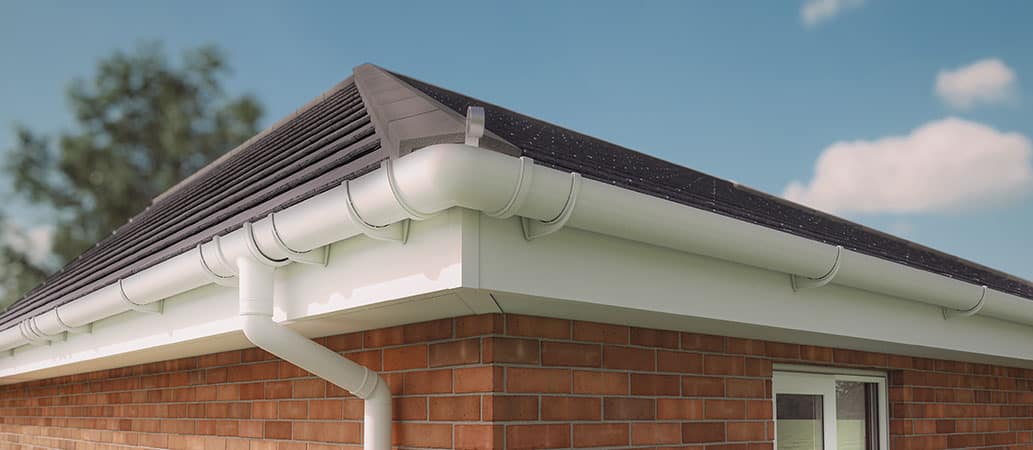
Fascia and Soffit Installation: A Comprehensive Guide
When it pertains to home enhancement and exterior maintenance, fascia and Soffit Board Replacement play vital roles in both functionality and looks. These elements are frequently ignored, yet they significantly impact your home's roof, offering ventilation, avoiding insect infestations, and framing the general look of your house. This article will dive into the significance of fascia and soffit, the installation procedure, and regularly asked concerns to equip you with the ideal understanding for your next task.
Comprehending Fascia and Soffit
What is Fascia?
Fascia refers to the horizontal board that runs along the edge of the roofline. It is generally located behind the gutter system and serves several vital functions:
- Structural Support: Fascia offers essential assistance for the roof structure.
- Security: It assists safeguard the rafters and the underlying structure from weather damage and the elements.
- Visual Appeal: Fascia boards been available in numerous products and styles, boosting the visual appeal of the home.
What is Soffit?
Soffits are the boards that bridge the spaces between the outside walls of the house and the Eaves Repair of the roofing. These panels can be ventilated or strong, playing a vital function in:
- Ventilation: Proper ventilation prevents wetness accumulation and promotes air flow in the attic.
- Bug Prevention: Well-installed soffits help prevent insects like birds and pests from entering the attic area.
- Suppress Appeal: Much like fascia, soffits add to the general visual of the home's exterior.
The Importance of Proper Installation
Both fascia and soffit must be correctly installed to guarantee they work efficiently. Poor installation can cause issues such as water damage, mold growth, and compromised structural stability. That said, let's check out the installation process detailed.
Materials Needed for Installation
| Product | Description |
|---|---|
| Fascia boards | Normally made of wood, vinyl, or aluminum |
| Soffit panels | Vinyl or aluminum are common choices |
| Gutter brackets | Assist support the gutters firmly |
| Screws | For securing the fascia and soffit |
| Measuring tape | For precise measurements |
| Level | To make sure straight and level installation |
| Security gear | Gloves, goggles, and a construction hat |
Installation Steps
Gather Materials and Tools: Before beginning, guarantee you have all necessary materials and tools on hand.
Remove Old Fascia and Soffit (if appropriate): If replacing existing Fascia And Soffit Company and soffit, thoroughly eliminate them utilizing a crowbar and hammer. Take care not to damage the hidden structure.
Step and Cut Fascia Boards: Measure the length of each section of the roofline and cut the fascia boards to size. For an accurate fit, use a miter saw.
Set up the Fascia: Begin by connecting the fascia boards to the roofing system utilizing screws. Utilize a level to ensure they are straight and even. Attach the boards firmly to the rafters.
Step and Cut Soffit Panels: Once the fascia is set up, measure the area in between the fascia and the outside wall of the house to cut the soffit panels accordingly.
Set Up Soffit Installation Panels: Begin at one end and fit the panels comfortably into location. Depending upon the design, either attach them straight to the rafter tails or into the wall framing.
Aerate if Necessary: If utilizing ventilated soffit, guarantee that the panels are installed in a manner to motivate maximum air flow.
Set Up Gutter Brackets: If suitable, install the gutter brackets along the fascia to support the gutter system.
Last Checks: Make sure all elements are safely attached and appropriately aligned.
Tools Needed for Installation
| Tool | Function |
|---|---|
| Miter saw | For cutting fascia and soffit panels |
| Lever | For getting rid of old fascia and soffit |
| Screwdriver | For fastening boards and panels |
| Level | To guarantee whatever is directly |
| Determining tape | For precise measurements |
| Security gear | To secure from injuries |
FAQs about Fascia and Soffit Installation
Q1: How Often Should I Replace Fascia and Soffit?
A: The life-span of fascia and soffit products such as wood, vinyl, or aluminum varies however normally ranges from 20 to 50 years. It's necessary to examine them regularly for indications of moisture damage, warping, or insect invasions, suggesting Replacement Soffit Boards as required.
Q2: Can I Install Fascia and Soffit Myself?
A: Yes, if you possess basic carpentry skills and are comfy operating at heights, you can undertake the installation. Ensure you have the necessary tools and products and follow security precautions-- nevertheless, do not think twice to employ a professional if unsure.
Q3: What Materials are Best for Fascia and Soffit?
A: The decision often boils down to personal choice, climate, and budget. Typical products include:
- Wood: Offers a traditional look however requires regular maintenance.
- Vinyl: Durable, low maintenance, and available in different colors.
- Aluminum: Resistant to rust and denting, making it a resilient choice.
Q4: How Much Does it Cost to Install Fascia and Soffit?
A: Costs can vary commonly based on materials, labor, and local prices however can generally range from ₤ 6 to ₤ 15 per direct foot. It's best to get multiple quotes from professionals for precise price quotes.
Q5: Can New Fascia and Soffit Help with Insulation?
A: While the installation of fascia and soffit itself does not insulate, appropriate ventilation (particularly with soffit) can help manage attic temperatures, decreasing energy expenses and helping to preserve consistent indoor temperatures.
Fascia and soffit installation may appear difficult, but with the best materials and technique, property owners can enhance the sturdiness and look of their homes. Appropriately maintained and well-installed fascia and soffit can improve ventilation, avoid moisture-related issues, and contribute to the total visual of your property. Whether dealing with the job yourself or working with a professional, understanding the essentials is the initial step toward a successful installation. Embrace this often-overlooked aspect of home enhancement, and your home will thank you for it!
- 이전글11 "Faux Pas" That Actually Are Okay To Create With Your Danish License Delivery 25.12.16
- 다음글Five Killer Quora Answers On Repairing Conservatory Roof 25.12.16
댓글목록
등록된 댓글이 없습니다.